Rosy Wertheim: Chamber works
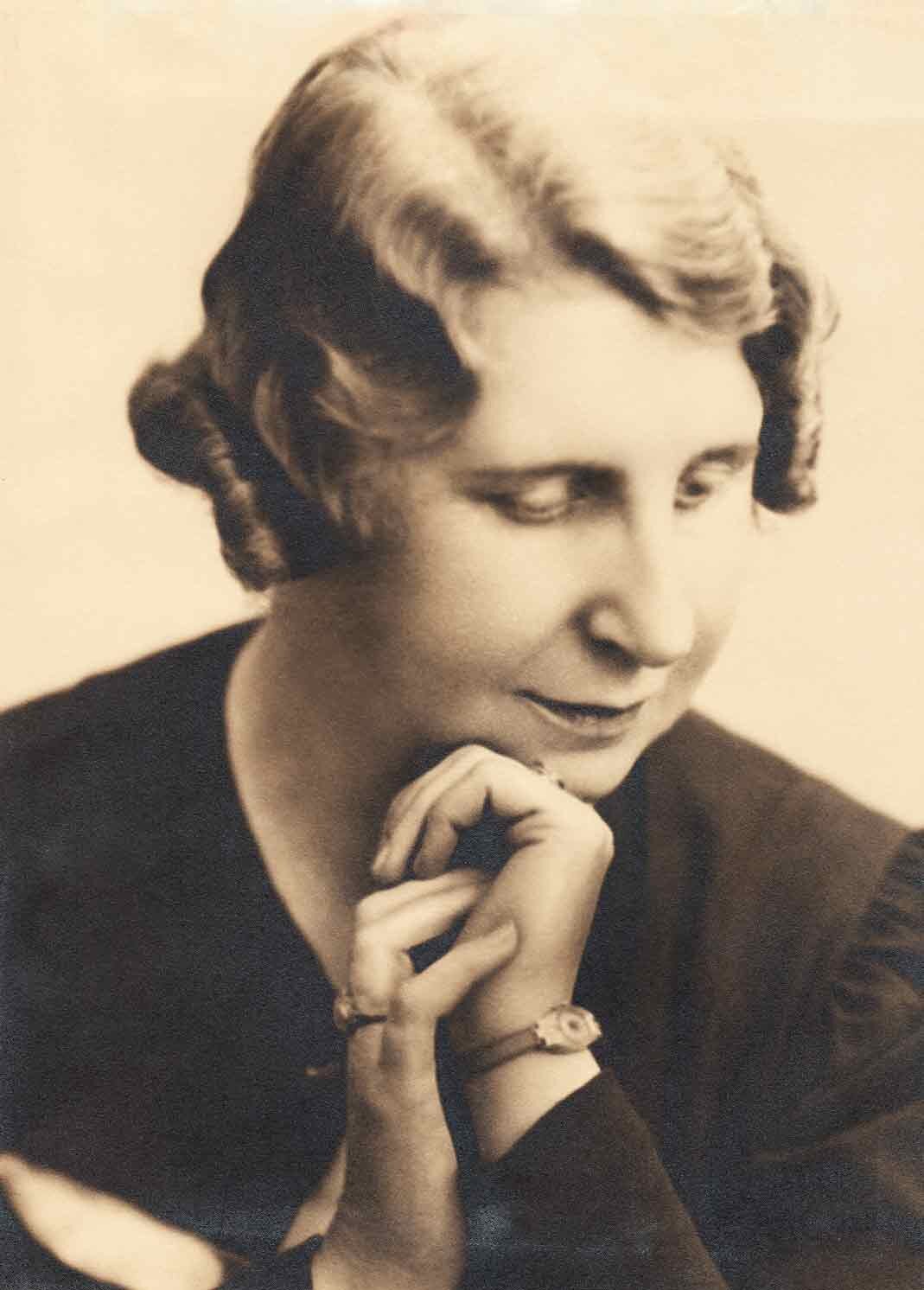
In the series on persecuted composers in the Second World War, the Leiden Salon presents a concert with works by Rosy Wertheim. Rosy Wertheim studied piano with Ulfert Schults and composition with Bernard Zweers. She also had lessons from Sem Dresden.
In 1929 she left for Paris for six months, where she would ultimately stay for six years. She took composition and instrumentation lessons with Louis Aubert. Her apartment became a meeting point for artists; among them were the composers Honneger, Ibert, Milhaud and Messiaen. She formed a close friendship with composer Elsa Barraine. She wrote articles about Parisian musical life in the daily newspaper Het Volk.
Following the tense situation in Europe, she returned to Amsterdam in 1937. During that period, but also after the outbreak of the war, she composed a lot. Her music from the 1930s is characterized by a light, impressionistic, lively touch. After the German invasion, Wertheim organized house concerts in the basement. During these meetings, attention was paid to modern music, especially the work of Jewish composers, which were no longer allowed to be played. She went into hiding in the second half of 1942. She survived the war; however, much of her family perished.
Program:
Rosy Wertheim (1888-1949)
– Violin sonata
– Cello sonata
– Six Morceaux (piano)
– Trois Morceaux (flute and piano)
- Composer(s) Rosy Wertheim
-
Title(s) of the Work(s)
Vioolsonate
- Cellosonate
- Six Morceaux (piano)
- Trois Morceaux (fluit en piano) - Performer, Ensemble or Orchestra Lucien Renette violin, Kris van der Plas piano, Jan van der Plas cello, Eleonore Pameijer flute and narrator
- Apr 24 2025
- Expired!
- 20:15 - 22:00