Simeon ten Holt: Canto Ostinato (van Veen/ Loncar/ Pavlov/ Mol)
Canto Ostinato by composer Simeon ten Holt was created between 1976 and 1979 and became a classic hit. And more than that. No version is the same. “The acoustics, the audience, the atmosphere, everything influences the final result.” The four pianists navigate through the meditative music, which consists of 106 sections, maintaining constant eye and natural “ear” contact.
The music has a trance-like, ritualizing effect. “The repetition principle ensures that you become detached from the past and the future,” says the piano duo Van Veen in Wilma de Rek’s book Canto Ostinato. “As a player and listener, you almost forget where you came from or where you are going. In traditional music it is always about development, climax and build-up; with Ten Holt it is more about the moment, the experience, the variation and the interaction.”
“Canto Ostinato, music that gets into your head.” Liesbeth Houtman – The Concertgebouw
Musical DNA
Canto Ostinato has its own musical DNA; whether performed on pianos, harp, marimbas or synthesizers. Instead of a composition that is fixed from A to Z, Ten Holt wrote a ‘free’ form that shows similarities with that of minimalist Terry Riley. Riley’s work ‘in C’, like Canto Ostinato, consists of a number of bars that the players can repeat at their own discretion. Unlike most minimalists, who often emphasize the rhythmic aspect, Ten Holt focuses much more on melody and sound.
Romantic, melancholic or nostalgic ritual
In the previously mentioned interview in the Volkskrant, Eilander asked the composer whether his music could be called romantic. Ten Holt replied: ‘Mmmmmyes. Melancholy, nostalgic music. (…) It is the nostalgia of being a stranger. Nostalgia for a utopia perhaps. To the land of the loved ones. To the world where people are not predators of each other.’ A desire for freedom that is more topical than ever in 2024.
The concerts almost seem like a ritual, with the result being different every time. This is not only because the composer has consciously left the performance options open, but also because he leaves the interpretation of the material to be played to the performer. Actually this goes one step further; just like with improvisation, the musical choices are only made at the moment of performance. It is therefore more of a process, and many also speak of ‘work in progress’. The pianists navigate through the piece, which consists of 106 sections, maintaining constant eye and natural “ear” contact. By listening and watching, someone takes the initiative to move on to the next section together. This may seem like someone is leading the play, but the opposite is true. There is no leadership in Canto Ostinato. The piece, as it were, guides itself and it is the task of the musicians to guide the piece into the correct musical direction, also relying on outside elements; the acoustics, the audience, the atmosphere; everything affects the final result.
- Composer(s) Simeon ten Holt
-
Title(s) of the Work(s)
Canto Ostinato
- Performer, Ensemble or Orchestra Jeroen van Veen, Sonja Loncar, Andy Pavlov and Sandra Mol, piano
Date
- Mar 02 2025
- Expired!
Time
- 11:00 - 14:00
More Info
Location
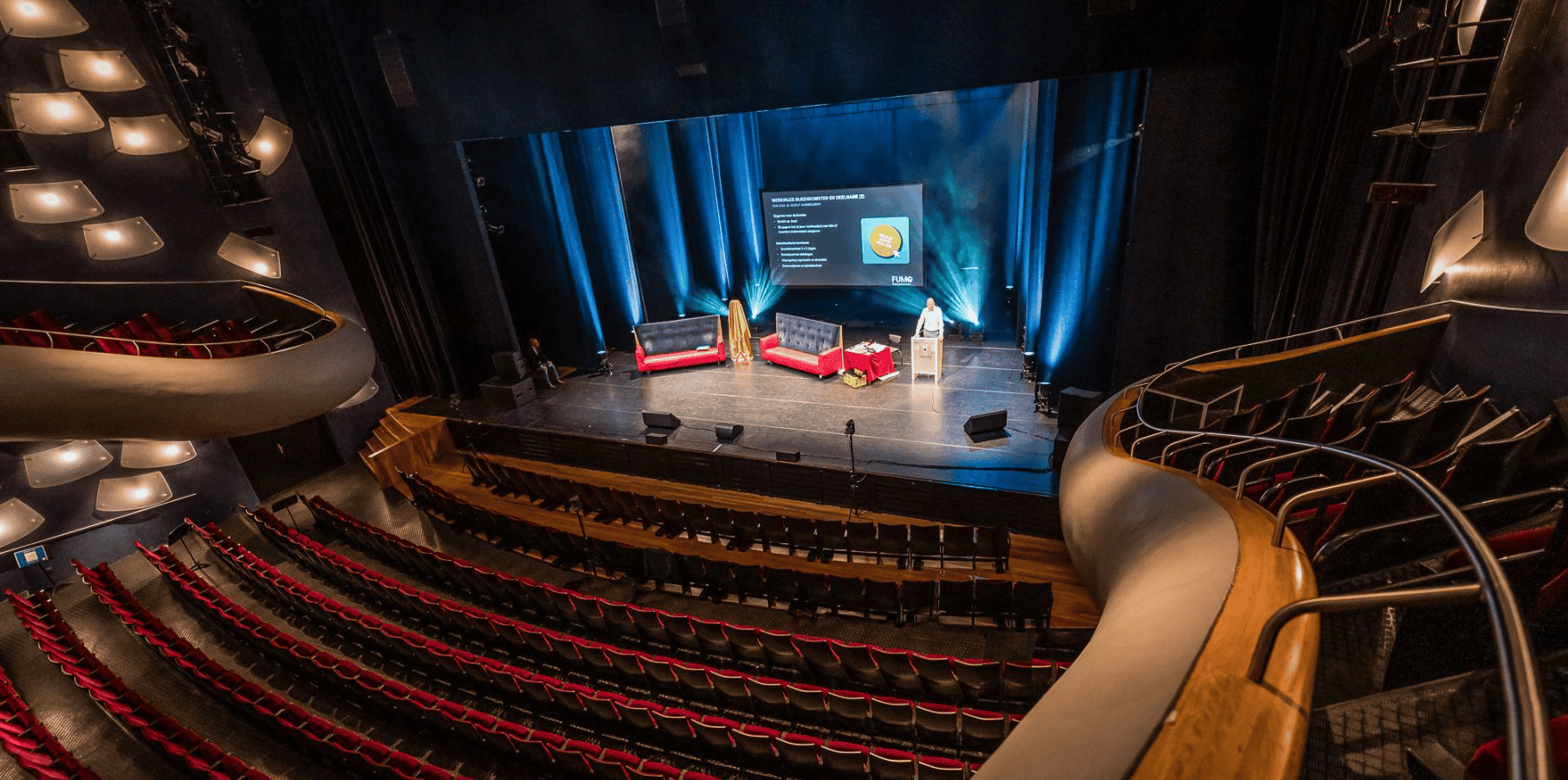
- Ruiterskwartier 4, 8911 BP Leeuwarden